Source FDA Certified Cocktail Muddler for Bars Clubs Events
Compare 30 FDA certified cocktail muddler options from verified suppliers. Buyers can evaluate materials like bamboo and stainless steel, check certifications such as LFGB, and review pricing and MOQ details for bars, clubs, and events; compare the available evidence and request quotations based on your requirements.
Key considerations
Products List
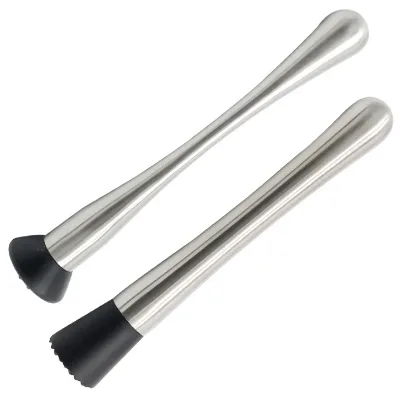
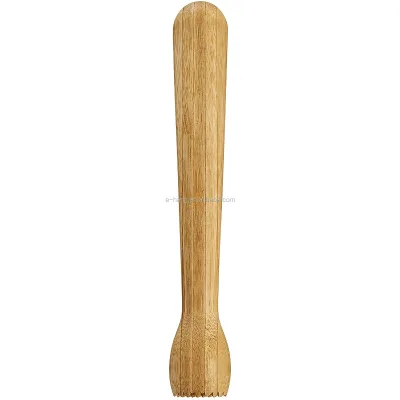
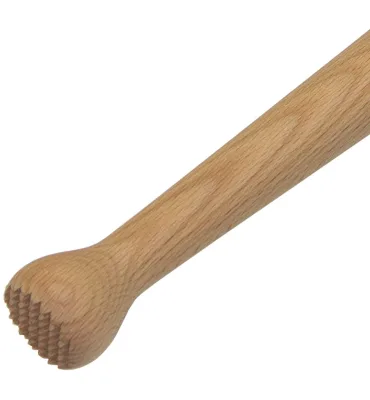
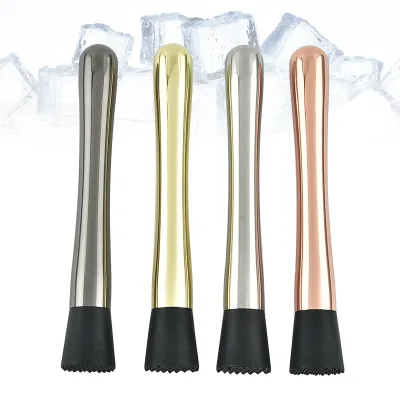
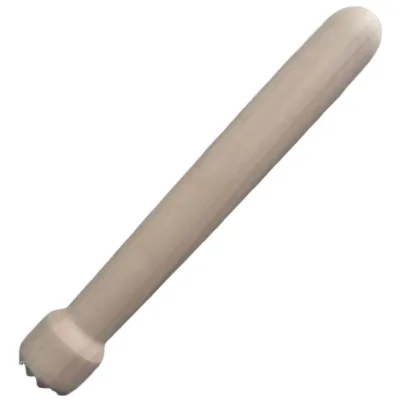
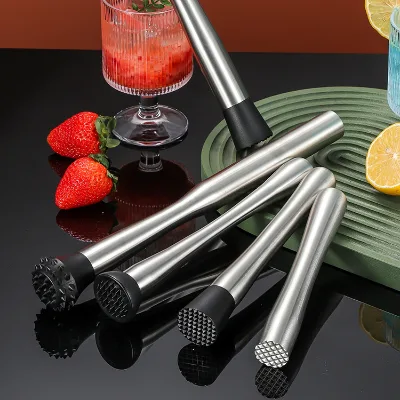
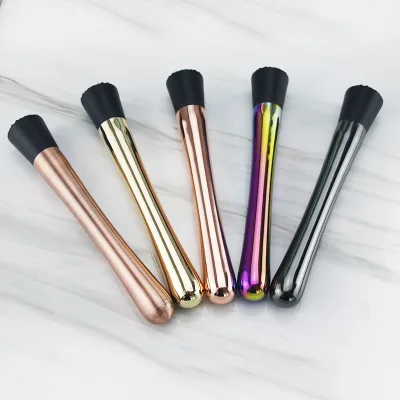
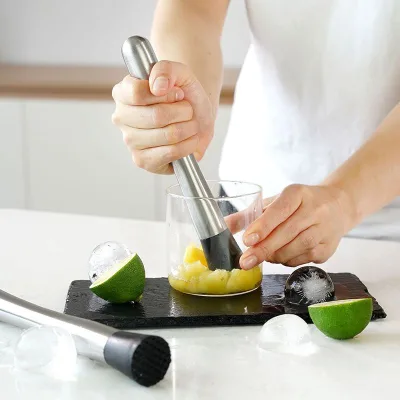


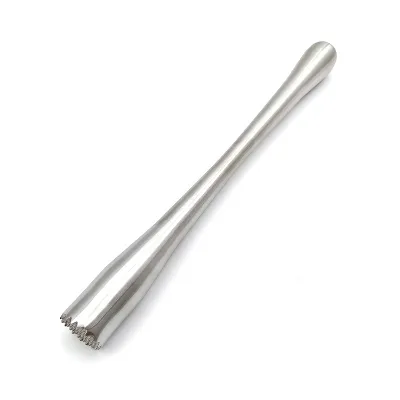
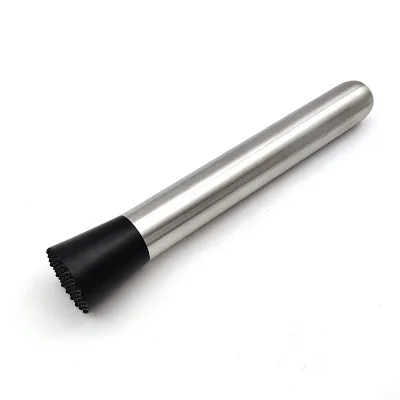


Comprehensive Sourcing Guide
FDA Certified Cocktail Muddler Sourcing Guide
Sourcing FDA-certified cocktail muddlers requires a nuanced understanding of material safety and regulatory compliance, particularly when dealing with food-contact surfaces. Buyers must distinguish between general food-grade materials and specific certifications that validate safety for repeated use in professional bar environments. The term "FDA certified" often refers to compliance with FDA regulations for food-contact substances rather than a single universal certificate, meaning suppliers may provide test reports or declarations of conformity instead of a formal FDA license. This distinction is critical for procurement teams to ensure that the muddlers they purchase meet the stringent hygiene standards required by health departments and international trade partners.
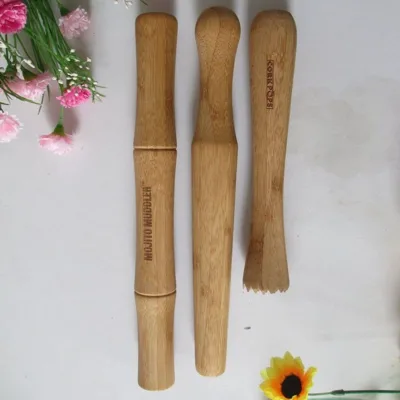
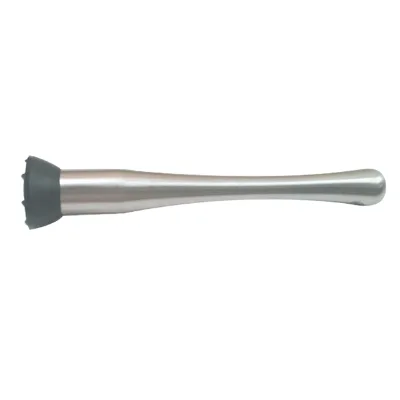
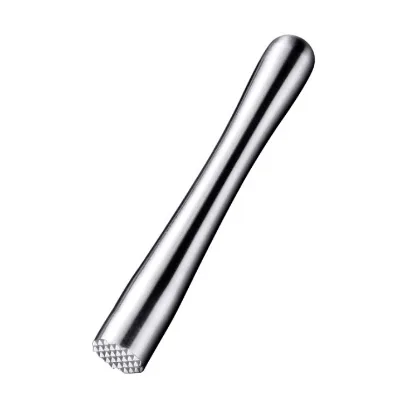
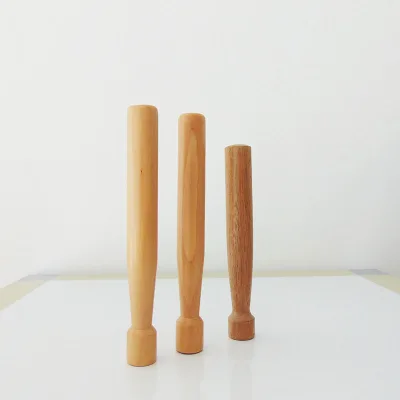
Furthermore, the procurement landscape for these tools is diverse, ranging from traditional bamboo and wood options to modern stainless steel and metal variants. Each material presents different compliance pathways and maintenance requirements. For instance, bamboo muddlers are often marketed as eco-friendly and biodegradable, appealing to sustainable branding initiatives, while metal muddlers offer durability and a sleek, modern aesthetic. Buyers should evaluate these material choices against their specific operational needs, considering factors such as resistance to bacterial growth, ease of cleaning, and the potential for chemical leaching. Understanding these material differences is the first step in defining a precise specification sheet that aligns with both safety goals and brand identity.
Product Scope and Observed Listing Signals
The current market for cocktail muddlers exhibits a wide range of product attributes, with observed prices varying significantly from $0.15 to $9.24 per unit. This price disparity often reflects differences in material quality, manufacturing complexity, and branding strategies. Buyers should note that lower price points may correspond to basic bamboo or simple metal designs, while higher prices might indicate premium finishes, custom branding, or specialized ergonomic designs. Additionally, the minimum order quantities (MOQ) observed range from 100 to 3,600 units, suggesting that suppliers cater to both small boutique bars and large-scale hospitality chains. Understanding these market signals helps buyers set realistic budget expectations and negotiate terms that align with their volume requirements.
Listing signals also reveal a variety of design styles and functional features, including modern aesthetics, custom logos, and specific bar tool types such as fruit muddlers and caipirinha pestles. Some products are explicitly described as eco-friendly or biodegradable, catering to the growing demand for sustainable bar accessories. Others emphasize high-quality construction with materials like stainless steel 18/0, highlighting durability and corrosion resistance. Buyers should carefully review these listing details to identify products that match their operational needs. For example, a bar focusing on craft cocktails might prioritize bamboo muddlers for their traditional feel, while a high-volume lounge might prefer metal muddlers for their longevity and ease of sanitization.
Technical Specifications to Verify
When verifying technical specifications, buyers must focus on material composition and dimensional accuracy to ensure product consistency. Key attributes to confirm include the handle material, which can range from bamboo to stainless steel, and the overall dimensions, such as diameter and length. For metal muddlers, verifying the grade of stainless steel, such as 18/0, is essential to guarantee rust resistance and food safety. For bamboo products, checking for smooth finishes and absence of splinters is crucial to prevent injury and ensure a pleasant user experience. Additionally, buyers should inquire about the single package size and gross weight to optimize logistics and storage efficiency, as these factors directly impact shipping costs and warehouse management.
Functionality and design style are also critical technical aspects that influence buyer satisfaction. Muddlers should be evaluated for their ergonomic design, ensuring they provide comfortable grip and effective crushing power for ingredients like mint and fruit. Some listings mention specific model numbers, such as SF-101 or RH-A0530, which can help in tracking product consistency across orders. Buyers should also verify the technique used in manufacturing, such as polishing for metal tools, to ensure a high-quality finish. By documenting these technical specifications in the purchase order, buyers can minimize the risk of receiving substandard products and ensure that the muddlers meet the operational demands of their establishment.
Compliance and Safety Documentation
Compliance with food safety standards is paramount when sourcing cocktail muddlers, especially for markets with strict regulatory requirements. Buyers should request documentation that verifies compliance with relevant food-contact regulations, such as LFGB or FDA guidelines. While some listings explicitly mention LFGB certification, others may only provide general statements about being food-grade. It is essential to obtain test reports or certificates of conformity from accredited laboratories to validate these claims. These documents should detail the results of migration tests and other safety assessments, ensuring that the materials do not leach harmful substances into beverages.
In addition to regulatory compliance, buyers should consider the environmental impact of their procurement choices. Many suppliers offer eco-friendly and biodegradable options, such as bamboo muddlers, which align with sustainability goals. Buyers should verify the source of these materials and inquire about any certifications related to sustainable forestry or biodegradability. Furthermore, custom branding options, such as logo printing, should be reviewed to ensure that inks and adhesives used are also food-safe and non-toxic. By prioritizing suppliers who provide comprehensive compliance documentation and sustainable practices, buyers can mitigate legal risks and enhance their brand reputation among environmentally conscious consumers.
Cost Drivers and Commercial Terms
Several factors influence the cost of cocktail muddlers, including material costs, manufacturing complexity, and customization requirements. Custom branding, such as logo printing or customized packaging, typically adds to the unit price and may increase the MOQ. Buyers should also consider the payment terms offered by suppliers, which often include a deposit and a balance payment upon shipment. Understanding these commercial terms is crucial for cash flow management and risk mitigation. Additionally, shipping costs and lead times can vary significantly based on the product weight, volume, and origin, so buyers should factor these into their total landed cost calculations.
Negotiating favorable commercial terms can significantly impact the overall profitability of the procurement. Buyers should leverage their order volume to negotiate lower prices or reduced MOQs, especially for standardized products. It is also advisable to clarify the warranty and return policies in case of quality issues. Some suppliers offer sample availability, which allows buyers to test product quality before committing to a large order. By carefully evaluating these cost drivers and commercial terms, buyers can make informed decisions that balance cost efficiency with product quality and supplier reliability.
Supplier Qualification and Quality Control
Supplier qualification is a critical step in ensuring the reliability and consistency of cocktail muddler supplies. Buyers should conduct thorough due diligence on potential suppliers, verifying their business licenses, production capabilities, and quality management systems. Visiting the factory or requesting virtual tours can provide insights into the manufacturing processes and hygiene standards. Additionally, buyers should assess the supplier's ability to meet specific compliance requirements, such as providing necessary certifications and test reports. Establishing a strong relationship with a qualified supplier can lead to better pricing, priority production, and improved communication throughout the procurement process.
Quality control measures should be implemented at various stages of the production and delivery process. Buyers should define clear quality standards in the purchase order and conduct pre-shipment inspections to verify product conformity. These inspections should check for defects, dimensional accuracy, and packaging integrity. For custom orders, buyers should approve samples before mass production begins to ensure that branding and design elements are executed correctly. Implementing a robust quality control plan helps minimize the risk of receiving defective products and ensures that the muddlers meet the high standards expected by end-users.
Long-Term Procurement Checks
Long-term procurement success depends on continuous monitoring and evaluation of supplier performance and product quality. Buyers should establish key performance indicators (KPIs) to track metrics such as on-time delivery, defect rates, and responsiveness to issues. Regular audits and feedback sessions with suppliers can help identify areas for improvement and strengthen the partnership. Additionally, buyers should stay informed about changes in regulatory requirements and market trends, adjusting their sourcing strategies accordingly. By maintaining a proactive approach to supplier management, buyers can ensure a stable supply of high-quality cocktail muddlers that support their business objectives.
Sustainability and innovation are also important considerations for long-term procurement. Buyers should explore opportunities to source more eco-friendly materials or adopt innovative designs that enhance user experience. Engaging with suppliers who are committed to sustainability can help buyers meet their corporate social responsibility goals and appeal to environmentally conscious consumers. Furthermore, buyers should consider diversifying their supplier base to mitigate risks associated with supply chain disruptions. By continuously evaluating and adapting their procurement strategies, buyers can build a resilient and sustainable supply chain for their cocktail muddler needs.
FAQs
What materials are used for FDA certified cocktail muddlers?
FDA certified cocktail muddlers are typically crafted from stainless steel or bamboo. Stainless steel options often use 18/0 grade for durability and hygiene. Bamboo variants are biodegradable and eco-friendly. Both materials meet safety standards for bar use. Buyers should verify specific material grades to ensure compliance with their regional food safety regulations and quality expectations.
Can I get custom logos on FDA certified cocktail muddlers?
Yes, many manufacturers offer customized logo services for cocktail muddlers. You can request OEM or ODM solutions to brand the tools for your venue. Customized packaging is also frequently available to enhance presentation. These options allow businesses to maintain brand consistency. Contact suppliers directly to discuss logo placement, colors, and minimum order quantities for personalized production runs.
What is the typical MOQ for FDA certified cocktail muddlers?
The minimum order quantity varies by supplier and material. Some bamboo stirrer suppliers require around 3600 units, while metal muddler vendors may accept orders starting at 500 pieces. These thresholds depend on production capacity and customization levels. Buyers should check specific supplier listings for exact MOQ requirements. Lower MOQs might be available for standard, non-customized items in stock.
Which certifications ensure cocktail muddlers are safe for food contact?
Look for LFGB or FDA certifications to ensure safety. These standards verify that materials like stainless steel or bamboo are safe for food contact. Suppliers often provide test reports or certification documents upon request. Always verify the specific certification scope matches your destination market. Using certified tools ensures compliance with local health regulations and protects your business from liability issues.
How do I choose between bamboo and metal cocktail muddlers?
Choose bamboo for eco-friendly, biodegradable options that are gentle on glass. Metal muddlers, often made from stainless steel, offer superior durability and hygiene. Bamboo is ideal for sustainable branding, while metal suits high-volume commercial bars. Consider your venue's aesthetic and maintenance preferences. Both types effectively crush fruit and herbs, but material choice impacts longevity and environmental impact.